
I would even say that I can imagine systems that this particular DAC can actually sound really analogue-like. I mentioned this earlier, there’s an actual absence of something in the sound that seem to spoil the performance of many digital front-end systems. And delving deeper on this subject, there’s that fluidity and the ability to retrieve everything in both uncongested and also natural manner. Yet the Gungnir 2 is far from being too shy nor soft. It’s rather the fact that its presentation offers fluidity far beyond its sticker price. When I changed repertoire to something entirely different, yet still well-recorded, on the “Robots in Motion” by Philter it was clear that the G2 is also no slouch in the bass department. There’s a lot of grunt, but what was even more impressive was how coherent and controlled everything was – especially with the digital filter engaged. In the NOS mode it changes slightly, mostly in the relations between timbre and space, but I believe that for most listeners leaving the in-house designed digital filter on will be more than optimal.
When the time came for more crazy music, this new Schiit also showed that it can do PrAT (Pace, Rhytm and Timing) really well. This is another thing really worth mentioning, since some digital sources that pretend to be analogue in their nature sometimes lack the ability to those abrupt dynamic swings in the lower registers. On the Paul Oakenfold’s “Mount Everest: The Base Camp Mix” first track (“Sakura”) it was actually the first time that I knew that I’m listening to a (really good) Multi-Bit DAC. There’s just something about the bass that is so different here than your usual ESS or AKM-based DAC can offer. For example, the good old Mytek Brooklyn Bridge (first version, based on the ESS9028PRO) was not so tactile and textured sounding in the lower registers compared to the G2. And the Texan converter also simply demolished it when it came to being-here (or being-there, depending on the recording) feeling. Interesting thing was that the overall sound signature is neither digital nor analogue. It doesn’t go into the rabbit hole of pretended to be some well-known-and-oh-so-respected technology.
And if I had to have any gripe with it, then there’s one thing here. Which may not be actually a gripe, but rather something that I feel needs to be mentioned. It will not suit those people, who want an overly-warm (or call it oversaturated) presentation. It sounds fluid, yet it’s not that warm per se, as one might think. This also means that the system matching needs to be considered here, but this is something that I would say is crucial on that level of audio gear. When paired with revealing and analytical ancillaries, you will get revealing and analytical sound. When connected to EL34 or KT88 amp, the overall presentation will verge on the warm and saturated side. This is one of those DACs that offer fluidity and transparency beyond its sticker price, yet are at the same time something really different than many got accustomed to. Then there’s that last thing that I would like to mention. It’s one of those converters that actually confirm that the op-amp-based design can sound really great. And will not in any way be a reminiscent of your typical run-of-the mill IC-based analogue stage sound. This can be especially heard in the treble, which have that sophisticated character and actually change it between differently mixed and mastered recordings. There’s even more to it, but we need to wrap this up in a more thorough manner in the next and the last part.
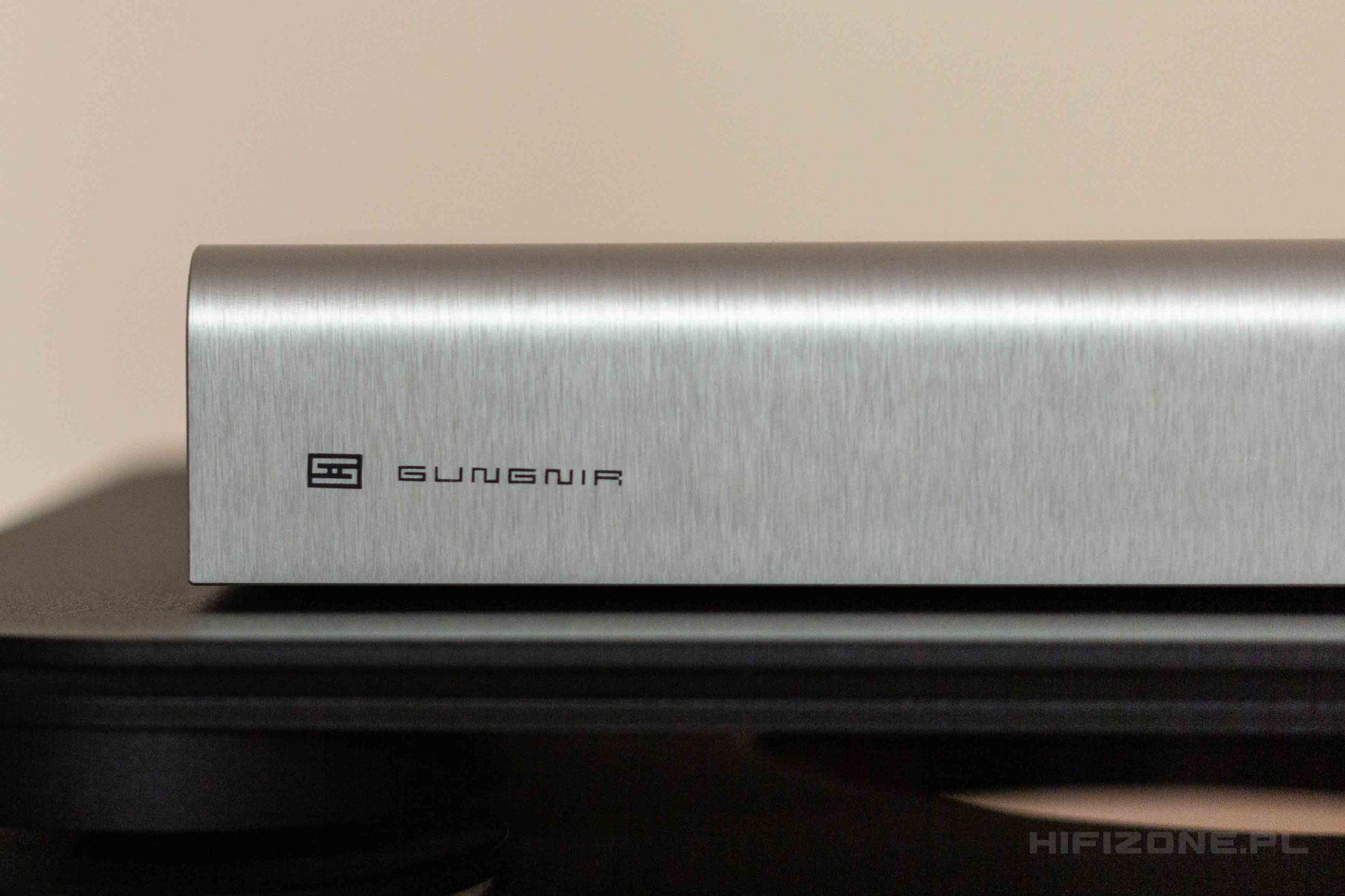
Schiit Gungnir 2 – the conclusion
The main thing here is that now, with the Forkbeard update, what we have on our hands here is so much than a mere digital-to-analogue converter. When we also consider the fact that it actually has two USB-C inputs, this all adds up to an interesting whole. I would see the Gungnir 2 not only as a really proficient-sounding DAC, but rather as a something more. You see, every now and then there’s a new product on the market that actually changes the way we look (or at least, should look) at what’s available in its segment. The sound is, obviously one thing – and you can’t go wrong with the Gungnir 2. But I would like to make you look at the bigger picture here. The fact that its volume control doesn’t seem to impede the musical flow in any considerable way warrants recommendation alone. But when we sum up its sonic capabilities with the now really unique functionality – this is just another really easy Editor’s Choice award for this unusual yet so interesting American company.
Adam Kiryszewski

Manufacturer: Schiit Audio
Price: 1599 USD