
The touch controls are intuitive and work well. And you can adjust their sensitivity in the Gaia app. And as for the app itself – it’s a bit quirky, yet it allows for fine-tuning of the GO pod settings. The most important ones here will obviously be the possibility to tweak the digital filter’s operating modes.
Calls quality is more than adequate, there may be better TWSes in this regard, but this is more due to the fact that the microphones are actually located behind the ears. Don’t get me wrong here – it’s perfectly usable, just don’t expect the GO pods to be the best in class here. They are not designed with that in mind anyway. And now, let’s focus on the gist of the matter.
iFi Audio GO pod – how it sounds?
The first thing that is almost immediately noticeable is that there’s not that much of a quality drop when compared to a wired connection. I mention this right in the beginning of the GO pod’s sound description because some people might expect that the sonics would be immediately and noticeably worse than when using a DAP with a wired connection. Obviously, the difference here will depend of the quality of the DAP in question. So if you, for example, compare GO pods to a hi-end player like an Astell&Kern SP3000 – yes, then the difference will be noticeable. Yet the thing here that I really do want to emphasize is that the sound that will come from the combination of GO pods and your IEMs will most probably be better than expected. You almost instantly begin to notice that the DAC section in the pods is not an afterthought and it may compete to even middle-tier dedicated portable players.
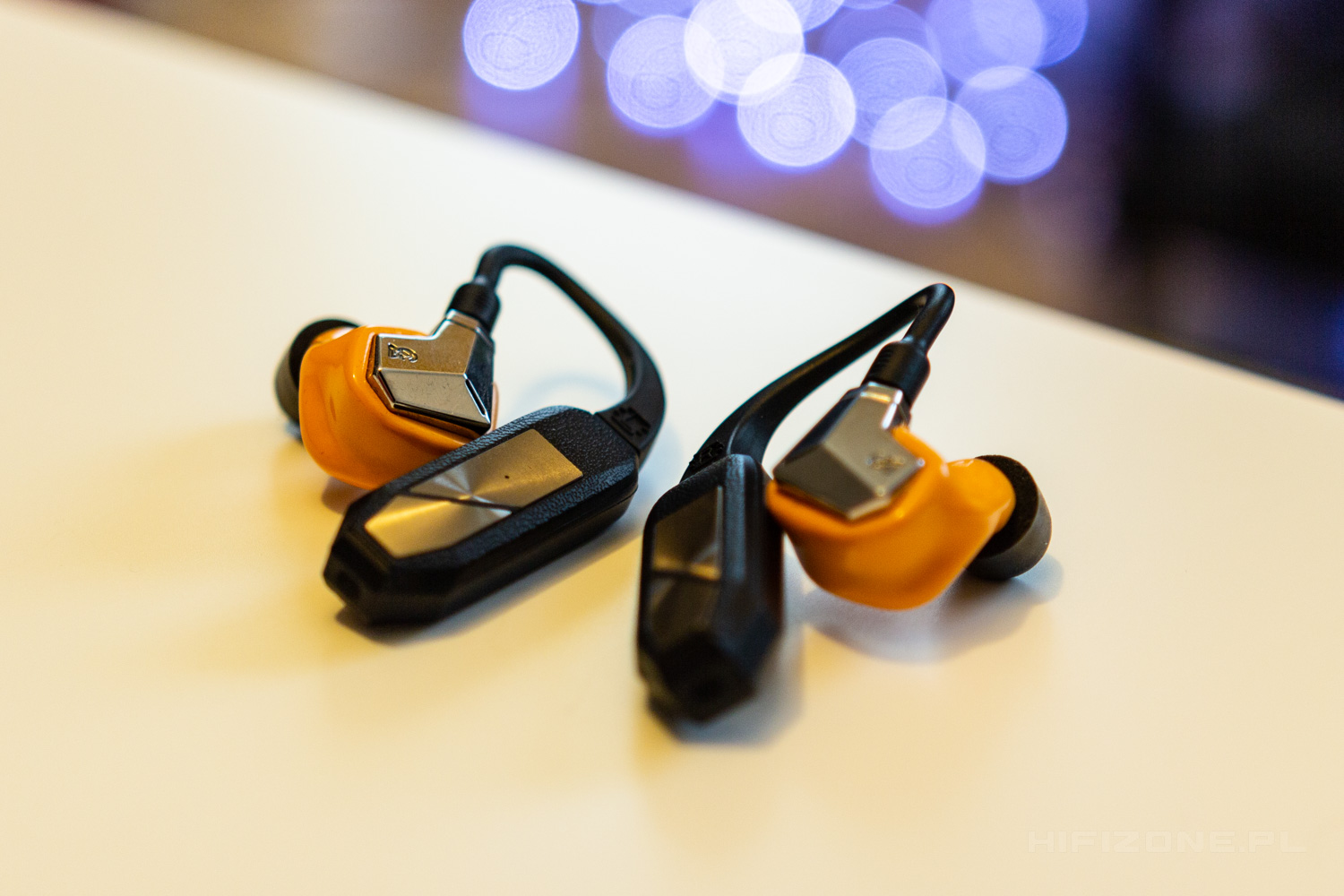
The other thing, which also may seem surprising, will be that the sound – providing that you will use IEMs at least as expensive as the GO pod itself – will be far, and I mean really far, beyond what any of the current wireless TWS solution can offer. What can strike here, is the interesting mixture of the following ingredients: clarity, speed and general resolution of the musical image. And all this together mated to a neutral yet not overly bright timbre. The general character of the GO pod’s sonics is also open and unmuffled. This led me to believe that iFi simply decided to offer a neutral source and decided to leave the final effect to the IEMs of choice – you can treat the GO pod just as a pretty neutral DAP in this regard. Yet one that also has a good PRAT, while keeping dynamics and general resolution beyond what you might expect. This also means another important thing: it has not only macro, but also – which is actually more crucial – micro-dynamics. This is another thing that differentiates the GO pod from even the most expensive TWS earphones on the market today. For example, when paired with Campfire Andromedas the resolution and ability to differentiate subtle dynamics clues as well as timbre changes – was nothing short of amazing. And even very good TWS earphones, like Final ZE8000MK2 simply couldn’t touch that combination.
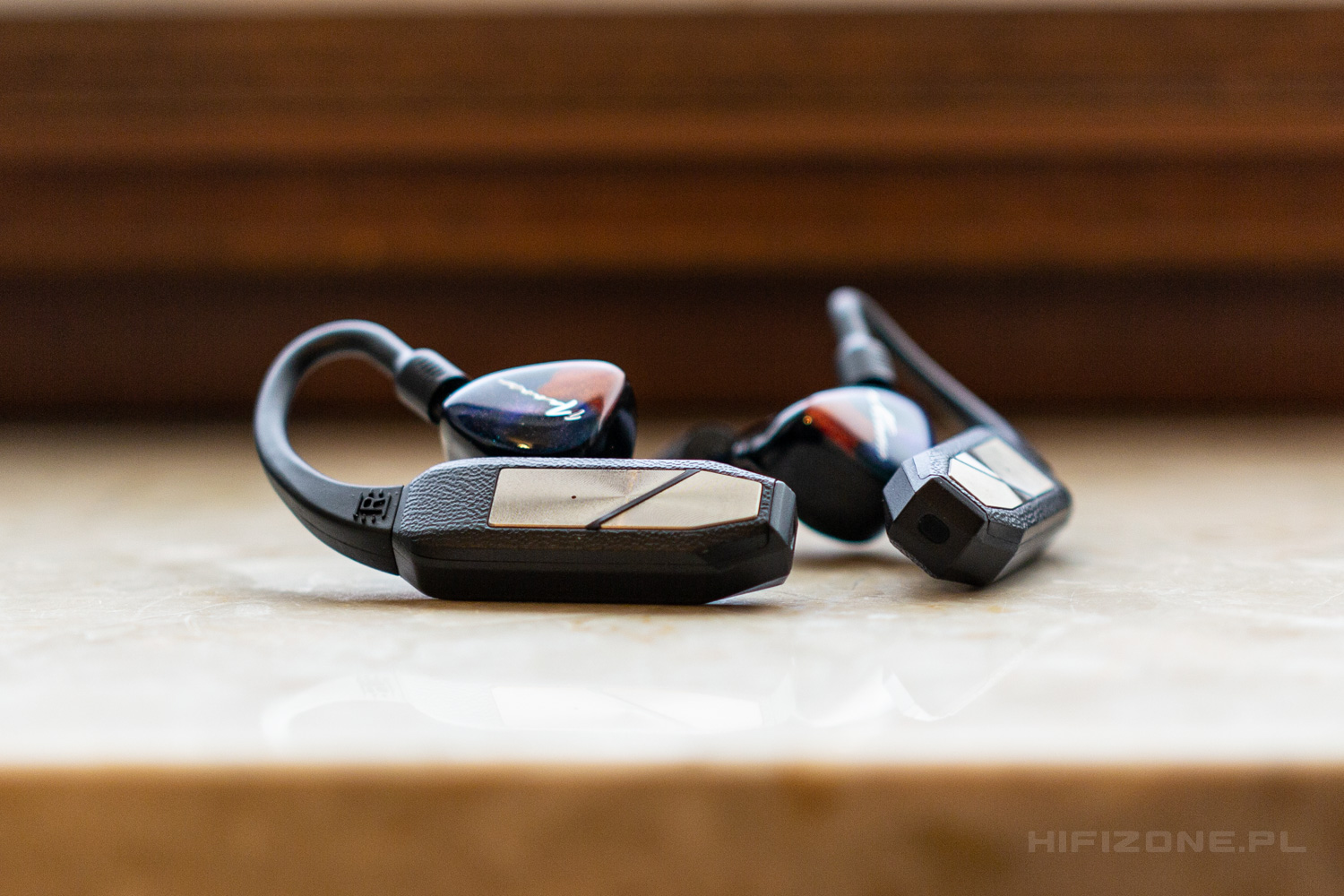
I started my listening sessions with more mainstream, yet quite dynamic music. On Madonna “Vogue” what was really interesting was not only the soundstage width, but also a general composure. In the case of each IEMs that I tested with the GO pods I had a feeling that I listen more to those IEMs than the source that is feeding them with the signal. That’s also why this particular single sounded better on so revered Campfire Audio Supermoons than on Andromedas.