
Two things that may spark attention here. One is obvious – it’s that separation into dedicated stages. And the other is that GO pod uses many specialized elements that are not frequent guests in wireless portable audio. As I mentioned earlier – the choice of the DAC chips went into the direction of Cirrus Logic. In such choice we can see another interesting trait of the devices with the iFi Audio logo. While most of the companies in audio industry usually go for one of ESS Technology or Asahi Kasei Microsystems converting chips – the company from Southport uses either Burr-Brown (or Texas Instruments, depending on the designation) or – as is in this case – Cirrus Logic silicons. Both are actually interesting choices, but what’s more important is how they are implemented and here we have, for example, a dedicated audio-grade clock. Again, as Mike states it:
“The clock utilised in the digital section is an audiophile-grade precision clock, designed to eradicate jitter and ensure ultra-low distortion and high dynamic range. This is among the key features that separate the GO pods from other True Wireless Stereo earbud options.”
While we’re at the DAC section of the GO pods, it’s worth mentioning that it also allows a bit of fine tuning and customization by allowing users to choose the digital filter setting:
“The digital filter settings are a feature of the pair of Cirrus Logic Master HiFi DAC chips that are used in each pair of GO pods. To give GO pod users access to a broad range of digital filter options, we made DAC chip’s digital filter options available to users through the iFi’s GAIA Client app. Users can access a 'Slow/Fast Roll-off’ setting, a 'Minimum/Linear Phase’ setting, and a 'Bit-Perfect’ setting. This allows for a total of five combinations of settings, allowing users to fine tune the GO pods to their preference.”
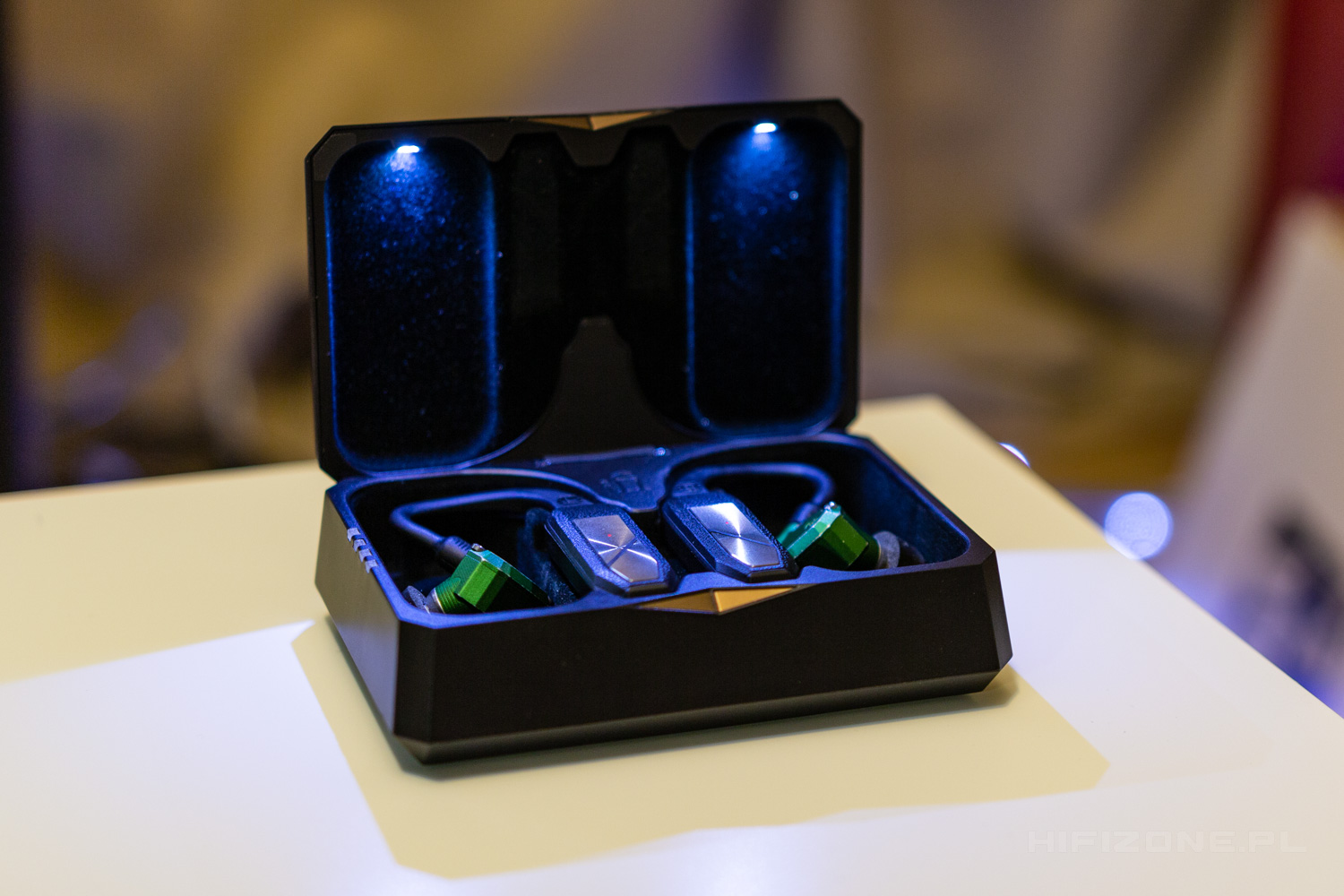
As we can see, the digital section of the GO pod(s) allows the user – in the usual iFi Audio manner – to customize its inner workings, which might be useful in some situations. We’ll get back to this a bit later, since there one thing more that is worth of note. And it’s volume control, which is done – as you might have guessed it – in the analogue domain. This is how iFi Audio explains it:
“The GO pod benefits from hardware-based analogue volume control. The GO pod doesn’t rely on the software-based volume controls in connected digital devices, which can have a deleterious effect on audio resolution. Instead, adjusting the volume on the connected device controls the volume level in the DAC, rather than in the phone, tablet or computer.”
When connected to most digital source devices, the GO pods will force the device to maximise the digital output to prevent any loss of resolution, and the volume levels seen on the device will instead represent the GO pods’ internal analogue volume level. Please note, however, that there are some rare circumstances where this function may not apply, such as Android devices with the „Disable Absolute Volume” developer setting enabled.”
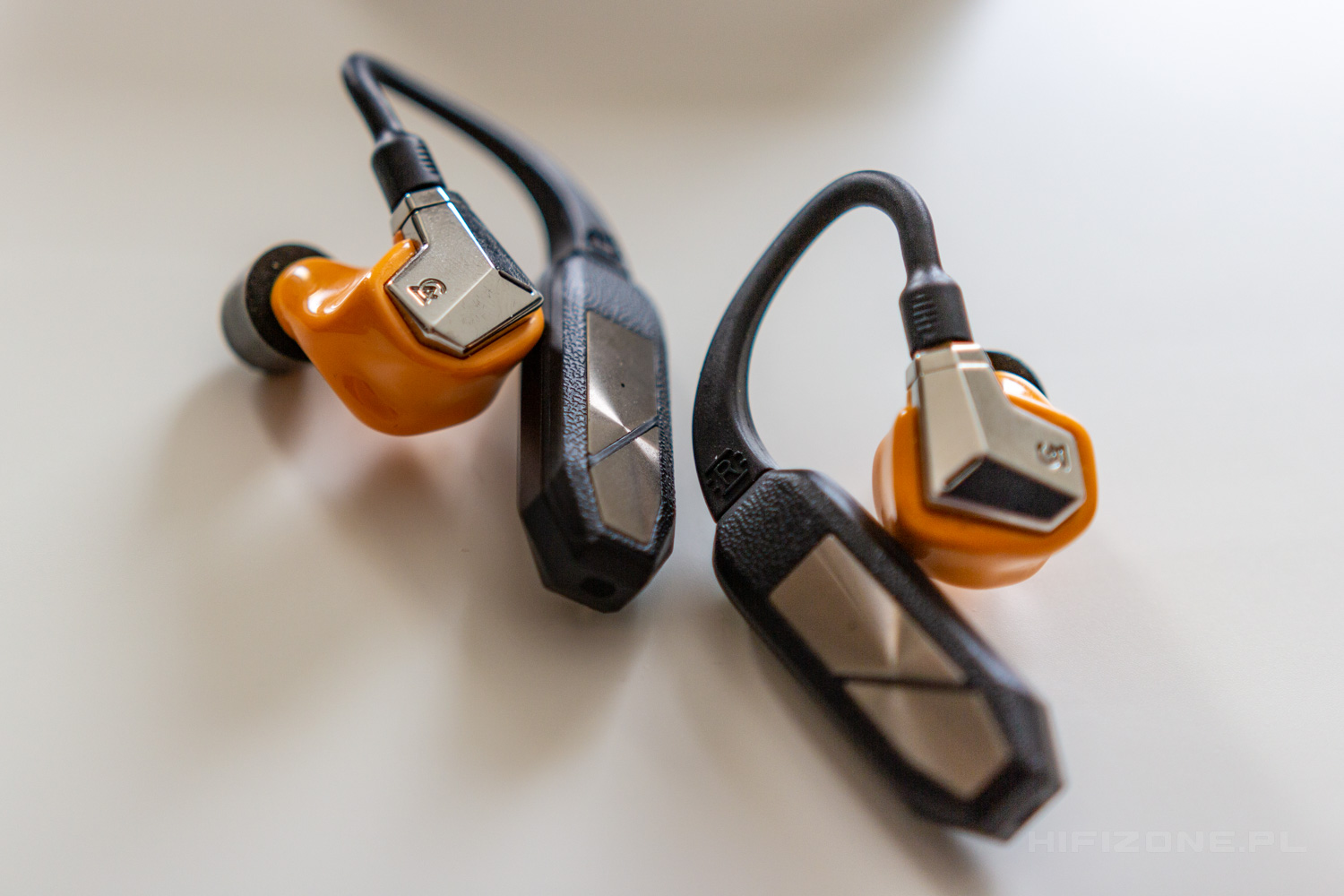
This is where I would see one of the most interesting technical aspects of the GO pod. Since most of the TWS and wireless solutions somehow manipulate with the signal levels in the digital domain. And thus, in reality, seriously reducing resolution when listening at the causal volume levels. So, summing up, a lot of clever, and interesting at the same time design choices that should translate to really good sound.
GO pod in practical use – battery life, controls and microphone
Let’s start with the battery life – you can expect around 5 to 8 hours of playback on one full charge of the pods. And that big, 1500 maH battery in the case that I mentioned earlier is said to allow for up to 35 hours of operation when fully charged. Here I can confirm that it is possible to get over 30 hours on one full charge of the case, so manufacturer’s specifications seem to be quite on par with the reality here. There’s also the auto-shutdown feature that’s implemented in the pods. When they are left unused and outside of the case – pods will automatically power down to avoid unnecessary draining of the batteries, which is clever. As is the possibility to charge the case wirelessly – it’s compatible with the Qi standard.