
Listening sessions started with an Auris Audio Blues turntable with the Hana SL cartridge and the repertoire that I know quite well – it was the “Far From The Maddening Crowds” album by the British electronic music composer and producer Nicholas Bracegirdle, also known as Chicane. This is one particular album that’s both well-recorded and also the one I’m pretty familiar with. What actually struck me here just right from the beginning with the GUM Evolution was that the entire presentation was better as a whole. Especially, what may be interesting here, the timbre and the quality of the entire spectrum was significantly improved. Also, in the sense that the higher registers were more agile yet much cleaner. It’s not only about the quieter background, but rather the better ability to provide information in the farther planes of sonic reproduction.
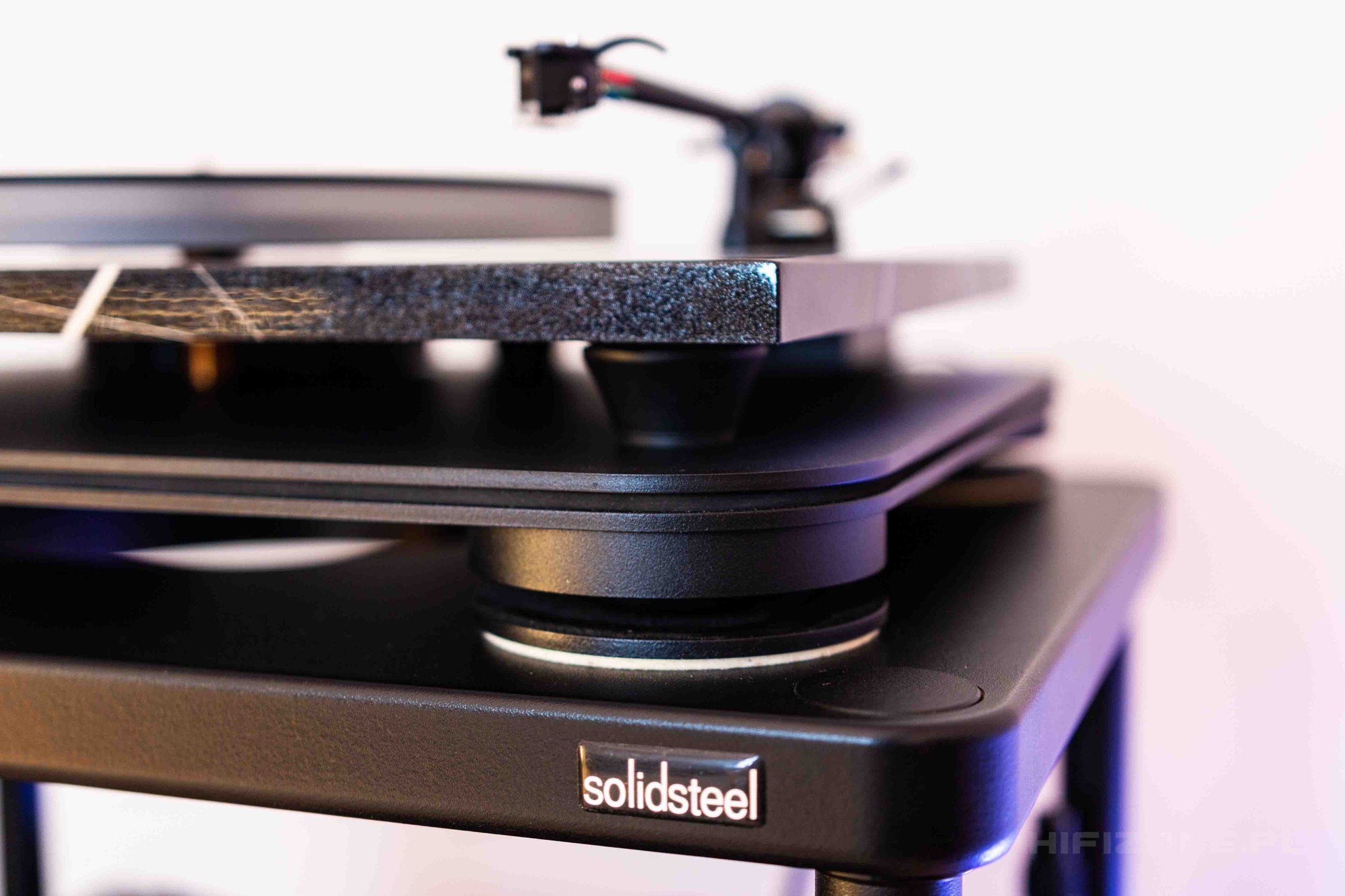
It was more composed with both the GUM Evolution and GUM compared to the Auris’ turntable standing directly on my SolidSteel rack. Yet the other thing that was also quite obvious was rather an interesting one. Because music itself had a much better agility and all those things that are usually seen (or actually heard) as the virtues of a good analogue source were more pronounced here. Take that fluidity of the spinning vinyl for example. It was more prominent with the GUM platforms, it’s like if there was less friction or any motor-related influence on the sound here. Especially on “Red Skies” the bass notes were much more propulsive and better defined. On this particular track what also added to the final effect was that it wasn’t only the base, but rather the entire spectrum was clearer and more resolving.
As a side note here came an interesting realisation. The Tewo Audio’s GUM platforms changed the sound of the Auris turntable to such an extend that I decided to do any further review of turntables with those platforms beneath them. Since this is a much wider subject actually, I will get back to this in the summary.
Changing the music a bit, but still staying with the UK-based productions, I put the Annie Lennox’s “Diva” record to let it spin. Here the changes were also noticeable. And in this one particular case it was the timbre once again, yet here it was more obvious and palpable. The sound became more organic and far more composed, especially on tracks like “Precious”. The effect was an interesting one. And its explanation here would require a bit of both context and some perspective as well. This one particular album has a tendency to sound both brittle and harsh. It’s especially obvious on a lesser digital sources and it can be to such an extend that I sometimes suspected that the beryllium midrange drivers were somehow pronouncing their end-of-their spectrum resonance (which they actually don’t have).
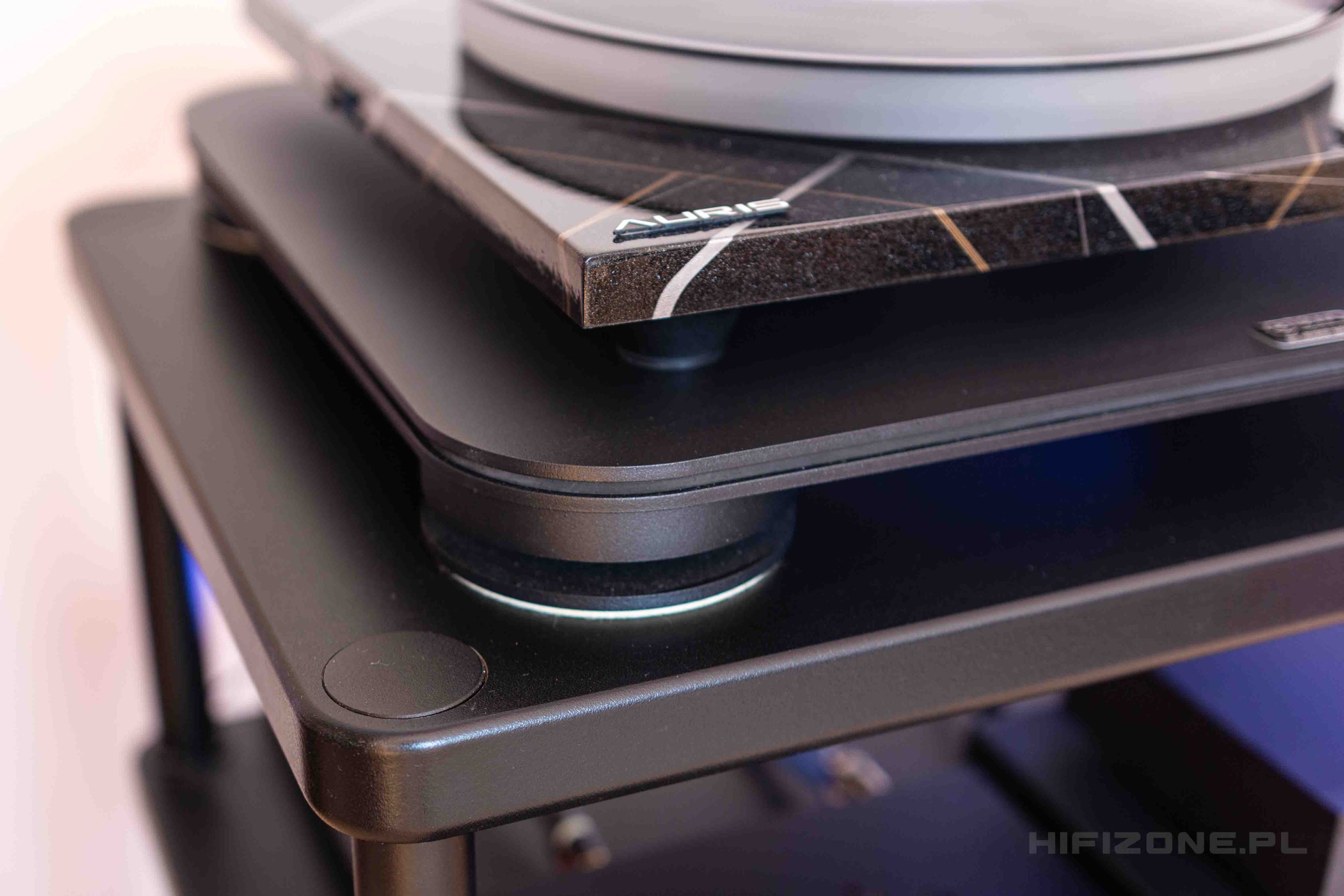
Yet the same album on the analogue rig sounded actually much cleaner and composed, without losing any of the dynamic and clout. With the Tewo Audio it was like it was finally sounding the way it should. I actually can’t remember when I heard the first former Eurythmics vocalist solo record sounding so right, just without anything added. And, you see, the thing is that the Tewo Audio platforms just closed the gap here between sounding “almost right” and sounding really, I mean really right. There was just something that struck me here right from the beginning, even more so than with the Bracegirdle’s also first album. And what need to be emphasized here is that is was the presentation as a whole was lifted significantly rather that just providing one or two isolated aspects of sonics in a better way. There was also a sense of ease to the way the vocals were rendered, there was also more firmness when it came to throwing a soundstage.