
This means that I have used the minimum-phase setting and the bit-perfect mode together with switching the K2HD technology on and off. Therefore, the sound description will be all those four settings reduced to one common denominator. And later on, I will also provide more insight on how do the particular settings affect the sound. Moreover, we also have the first GO Bar and the GOLD Bar here too and quite a few other DACs (more or less) in this price range. Thus, another wider context will be available as well.
I started my listening sessions with quite an easy-going and mellow electronic music. Yet even on that repertoire it was easily heard that the GO Bar Kensei is quite a different animal compared to the first GO Bar (and also to the GOLD Bar, more on that later). It was not only about the technicalities, but rather about its character in general and a sound as a whole. The Kensei – compared to the normal GO Bar – has a bigger yet more precise and, well, less mellow sound. It’s more direct yet it still has that refined and sophisticated – especially for a dongle DAC – tonality. And I mean using the minimum-phase filter (and the bit-perfect mode) without even engaging the K2HD setting.
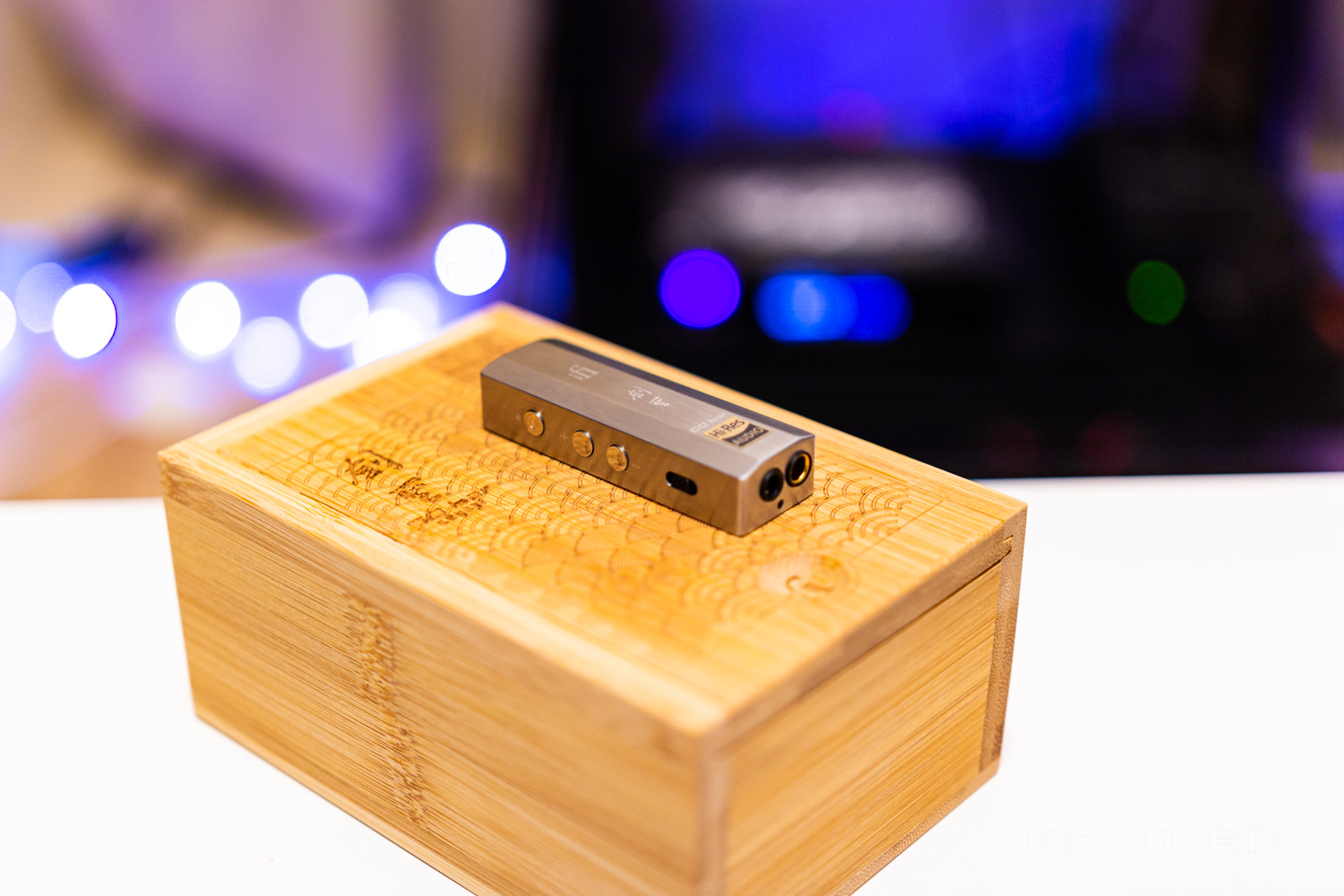
Compared to the Kensei, the first GO Bar is definitely less dynamic and less energetic in the lower octaves. And at the same time more sand-papery in the treble. While these traits with the original version are not that easily heard, when you compare them head to head – this can become really obvious. The higher end of the audio spectrum is simply more refined and more transparent on the Kensei. Funny thing here is that the first GO Bar may seem somehow more pleasant sounding because it is – in a direct comparison to the Kensei – sounding less direct, a bit more veiled. On Aimee Mann “One” the whole song was not only clearer on the newest Bar, but there was also much more prominent sense of space too with firmly placed vocal in the centre of the stage. ON Youssou N’Dour (with Neneh Cherry) “7 Seconds” Kensei provided much better rendition of the whole song’s atmospheric aura. It was simply more absent in the signal chain and, again was really capable with vocals. And again – had a bigger soundstage.
Another distinct trait of the GO Bar Kensei is its ability to retrieve details in an uncluttered, organized manner. This also means that for a device that small – and also considering its price – it offers almost uncanny precision. It was easily heard on the “Jack Sparrow” performed by The Royal Philharmonic Orchestra/Nic Raine. Every instrument there was easy to discern, even in the most congested moments there was that strong sense of composure. And still, the whole portrayal of the band made much sense from purely musical standpoint.
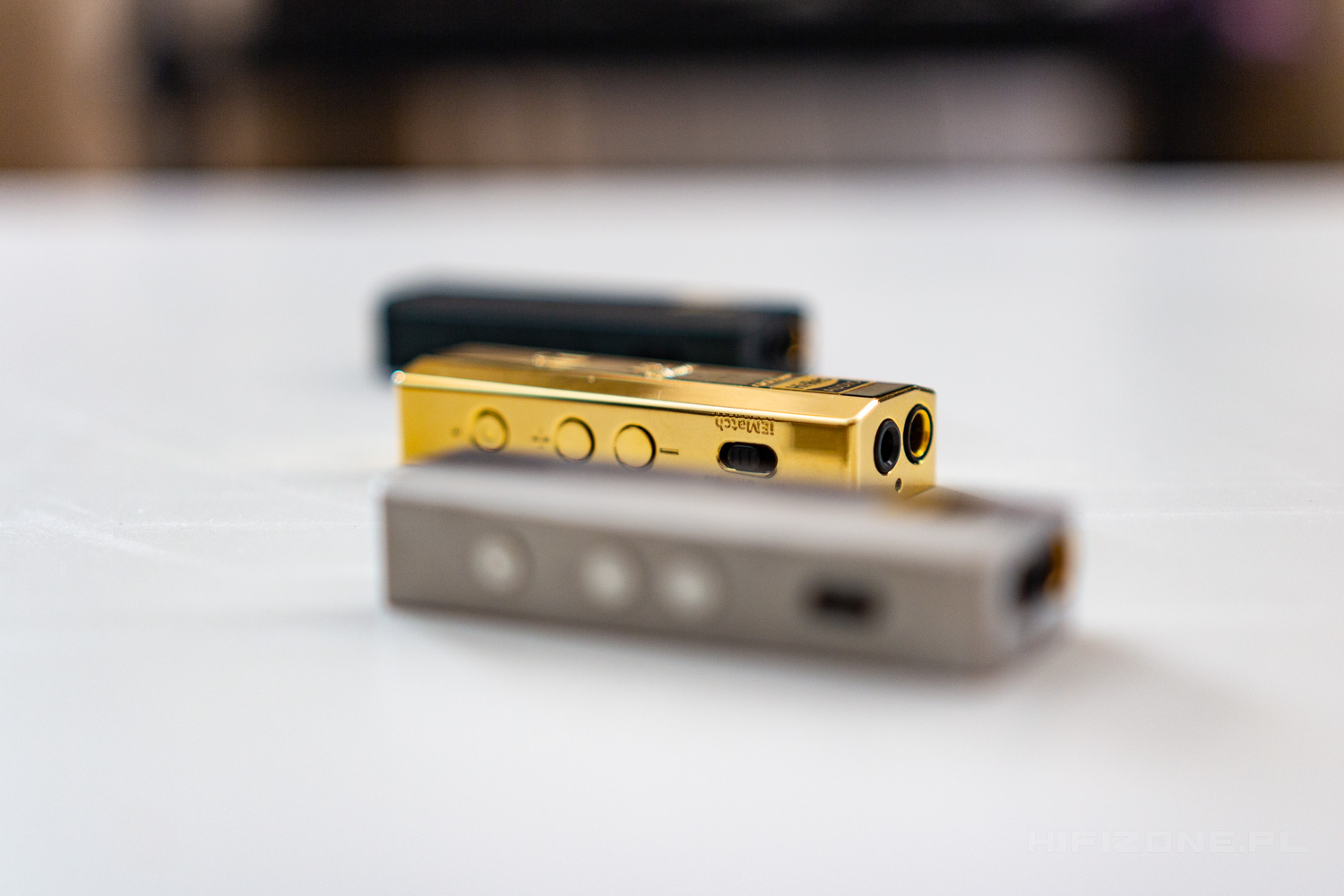
Let me get back to the lower registers once more, because this is where the enhanced power supply mentioned before mush have paid-off. On “Twelve After Midnight” by TAAW (Trance Atlantic Air Waves, a music project with Michael Cretu from Enigma behind it) the lowest registers were not only properly defined, but also propulsive and energetic. With startling – for a device this diminutive size – textures. And all this even on headphones that are not that easy to drive, like the new HEDD Audio HEDDphone TWO.
The other thing that we should mention that was also the trait with the original version was the overall maturity of the sound here. It was also apparent on the TAAW track which sometimes can sound shrill and brittle on certain hardware. Not he case here – even with the volume maxed-out and on those power-hungry German phones everything was just fine.