
So, starting with the open back Sundaras, it will be fair to say that they can be – in a way – seen as an interesting and significant improvement over what the HE400se had to offer. Yet at the same time it’s also worth mentioning that while the open-back Sundaras may be viewed as somehow similar (just much better) to the HE400se, it should also be at the same time noted that a few improvements in some certain areas will actually make them different headphones altogether than their much cheaper counterpart. Let’s begin with the tonality here.
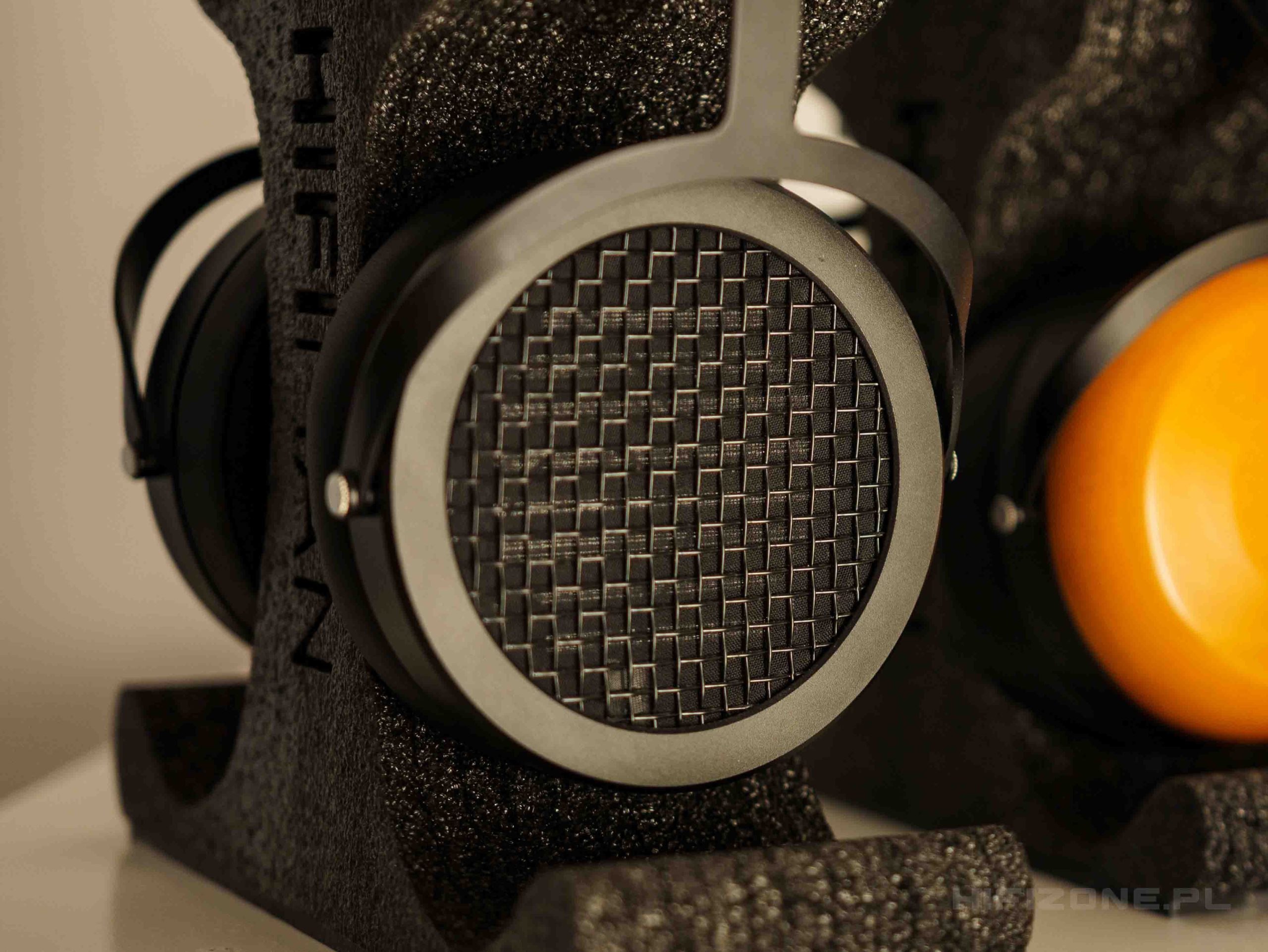
The Sundaras can be seen as neutral, yet they are actually rather lush sounding at the same time, giving you more than a hint of that planar sound in the bottom and midrange (and in the treble as well, but to that will be get back a bit later on). I connected the Sunaras to the very good Divaldi AMP-05 Special Edition amp and started my listening sessions with a rather mainstream and mostly electronic-based music. On the very good and at the same time quite demanding in the lower registers 9980 album by Connect.Ohm open Sundaras showed almost instantly that they are not only way above the HE400se in practically every area, but also subtly different in tonality. This is actually the first thing here that I noticed. They give more music, especially the midrange has that lush tonality trait that was somehow missing from both HE400se and many other cheaper headphones. It might make sense to say that the Sundaras in the open version are actually worth the price judging by their midrange performance alone.
Yet there’s much more to it. And it was clearly evident on the Snow Park (2018 Remastered) track by the above-mentioned Connect.Ohm electronic formation. The lower registers sport that planar quality, they reach very low and at the same time have the control, presence and texture that in this price class may be perceived as one of the benchmarks (especially as long as we consider affordable planars like Sundara). Obviously, the dynamic (and also, but not only, electrostatic and AMT) headphones will have – more or less – different feel to it’s lower registers. But what I would like to conclude regarding the lower registers is that if one of the expected qualities is that good “planar” bass – the open-back Sundaras will definitely be something to consider.
Yes, sure, more expensive planars will offer much more here (espiecially the sub-bass may be a bit lacking in the direct comparison, but I the whole lower spectrum is very believable altogether). However, when we take the price into the account, everything is really, I mean really great. Then there’s the midrange that I would like to get back to for just a moment. This is the area where I would see the biggest improvement (as well as the most important difference) between the open-back Sundaras and the HE400se. The midrange here has better tonality altogether. It may be perceived as neutral or maybe verging just that little bit on the forward side, but let me please comment on this. In my opinion the overall character of the midrange will be somehow dependent on the choice of both the source and the headphone amplifier used.
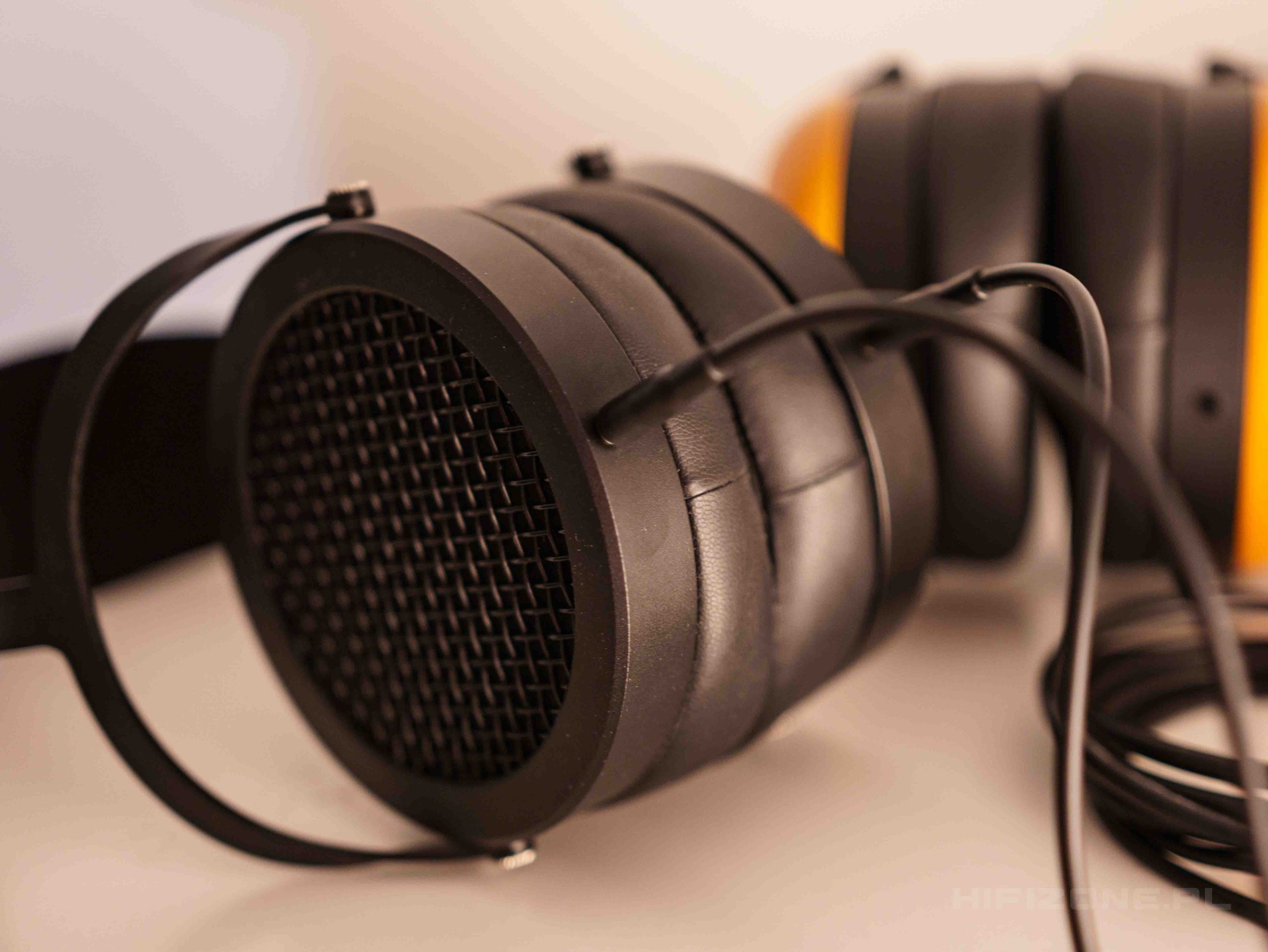
Let me give you an example that would paint the bigger picture here. I listened to Sundaras in various setups, both from the small desktop headphone amplifiers that I have and also from some more ambitious components. Like the mentioned and very good (but not that cheap anyway) Divaldi AMP-05 Special Edition fed by the Schiit Multi-Bit DAC in the NOS mode. The last combination was actually the most interesting. Not only because it sounded the best. That was actually the least important reason for that. It was rather by the virtue of the fact that Sundaras paired with many times more expensive electronics showed that they can offer a midrange presentation that is lush, full-bodied and organic at the same time.